


 English
 日本語
日本語 русский
 Español
 Deutsch
Content
Direct answer: the right functional gloves are chosen by matching three factors at once - the specific hazard on site (cut, cold, oil, heat or chemical exposure), the glove gauge and coating that fits the task, and a verified test standard behind the labeling. Buyers who skip any one of the three usually end up replacing gloves within weeks.
Functional gloves have moved from a niche safety accessory to a standard line item in procurement lists across manufacturing, cold chain logistics, metal fabrication and chemical handling. The category is broad by design - it groups together cold protection, high abrasion resistance, high cut resistance, oil-proof and non-slip coatings, mechanical and anti-impact structures, chemical resistance, and heat protection under one umbrella. That breadth is exactly why so many buyers get confused when they search for a single answer. This article breaks down what functional gloves actually do, how to choose between them, how they compare with ordinary work gloves, which type fits which scenario, and why demand for this category keeps rising.
What Functional Gloves Are and Why They Matter
A functional glove is built around one dominant performance requirement rather than general-purpose coverage. A cold protection glove is engineered for insulation first, a chemical resistance glove is engineered for barrier performance first, and so on. This is different from a basic cotton or polyester glove, which offers light grip and almost no measurable protection against any single hazard.
7
core functional categories: cold, abrasion, cut, oil/slip, mechanical/impact, chemical, heat
13G
typical knit gauge used for dexterity-focused industrial gloves
18G
finer gauge used where precision handling matters more than bulk
A2-A8
ANSI cut resistance range referenced when specifying cut protection level
The practical value of a functional glove shows up in reduced injury reports and fewer glove replacements per worker per month, since a glove matched to the hazard survives the actual working conditions instead of degrading after a handful of shifts.
How to Choose the Right Functional Gloves
Selecting functional gloves is a three-step process, and skipping any step is where most buyers go wrong.
Step 1: Identify the Dominant Hazard
Walk the actual task, not the job title. A warehouse picker handling frozen goods needs cold protection first and grip second. A sheet metal handler needs cut resistance first and abrasion resistance second. Mixing up the priority order leads to a glove that is technically rated but practically wrong for the job.
Step 2: Match Gauge, Liner and Coating
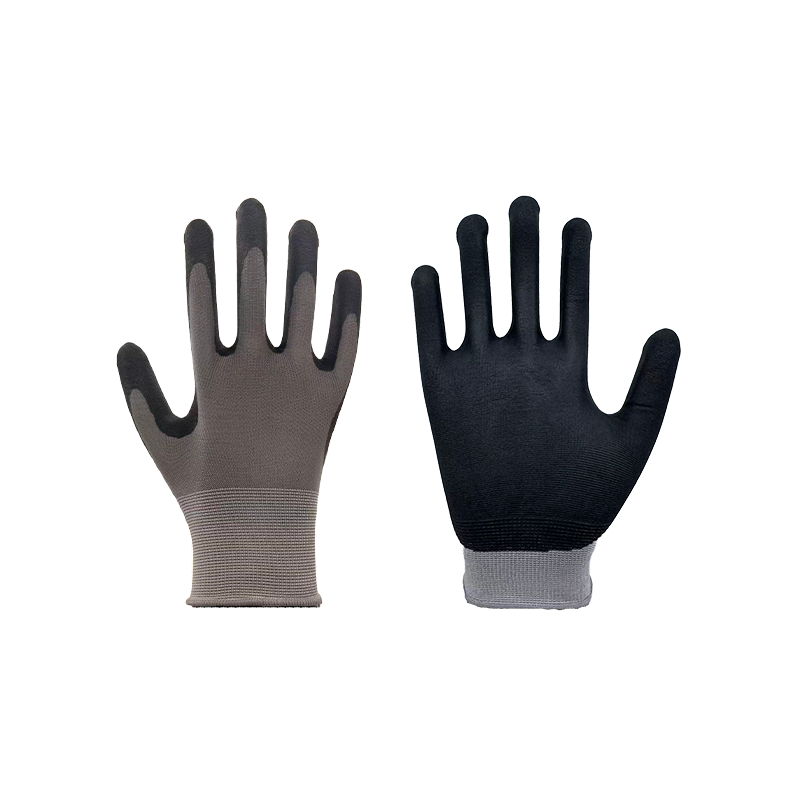
Gauge determines dexterity and bulk. A 13-gauge knit balances dexterity with durability for general handling, while an 18-gauge knit favors fine motor tasks such as assembly or inspection. Coating choice - nitrile, PU, latex, or a specialized frosted or sandy finish - determines grip in wet, oily or dry conditions.
Step 3: Verify the Certification Behind the Label
A functional glove should carry a traceable test report, not just a printed level on the cuff. Cut resistance should reference an ANSI or EN test method, chemical resistance should list the specific chemical it was tested against, and heat protection should state a contact temperature threshold and exposure time.
Practical rule: if a supplier cannot show a test report tied to the specific protection level printed on the glove, treat the labeling as unverified and ask for documentation before ordering in volume.
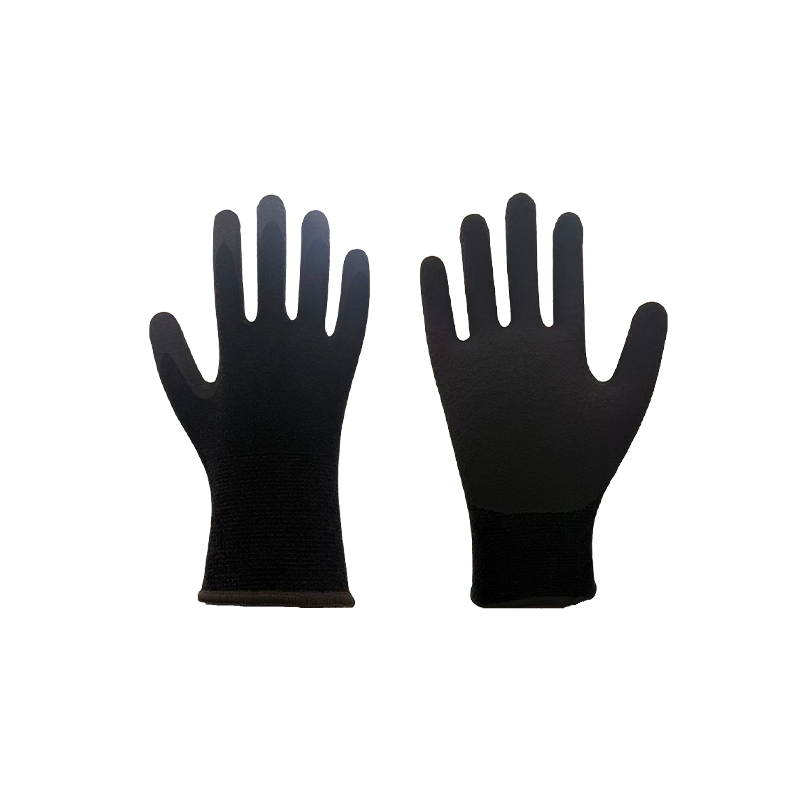
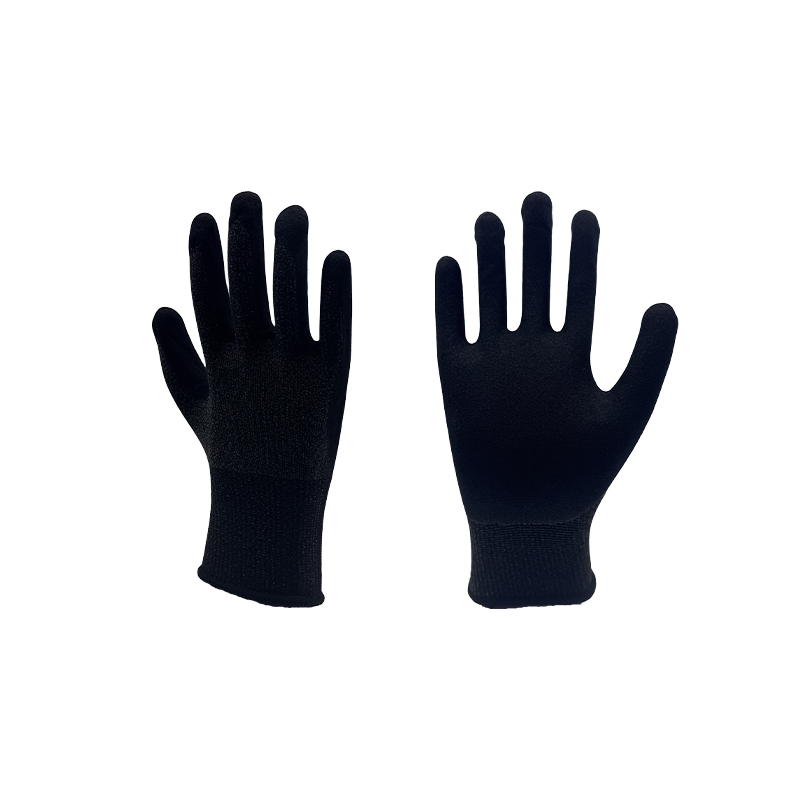
Functional Gloves Product Range
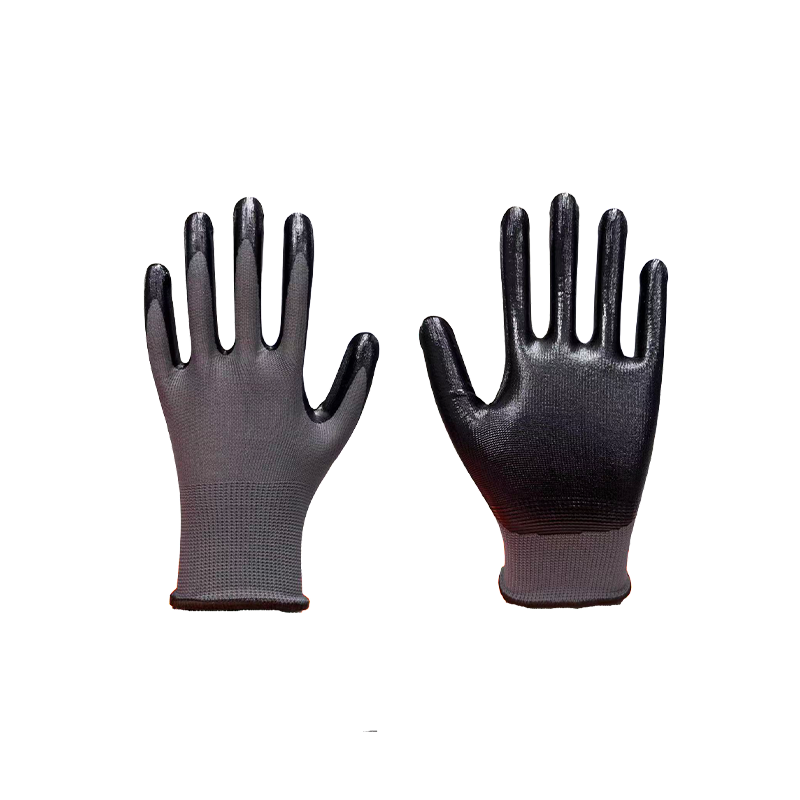
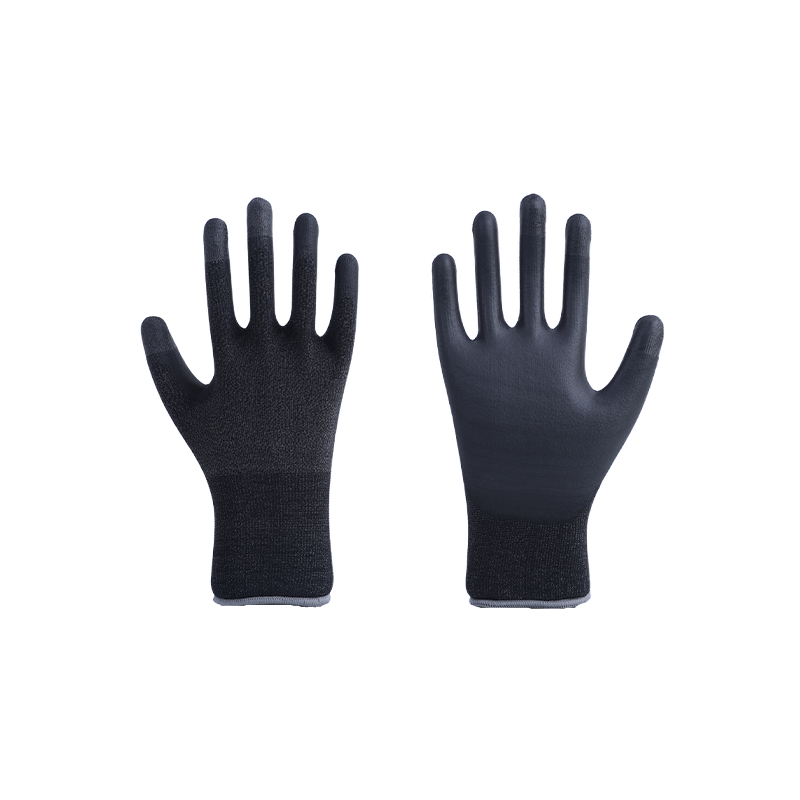
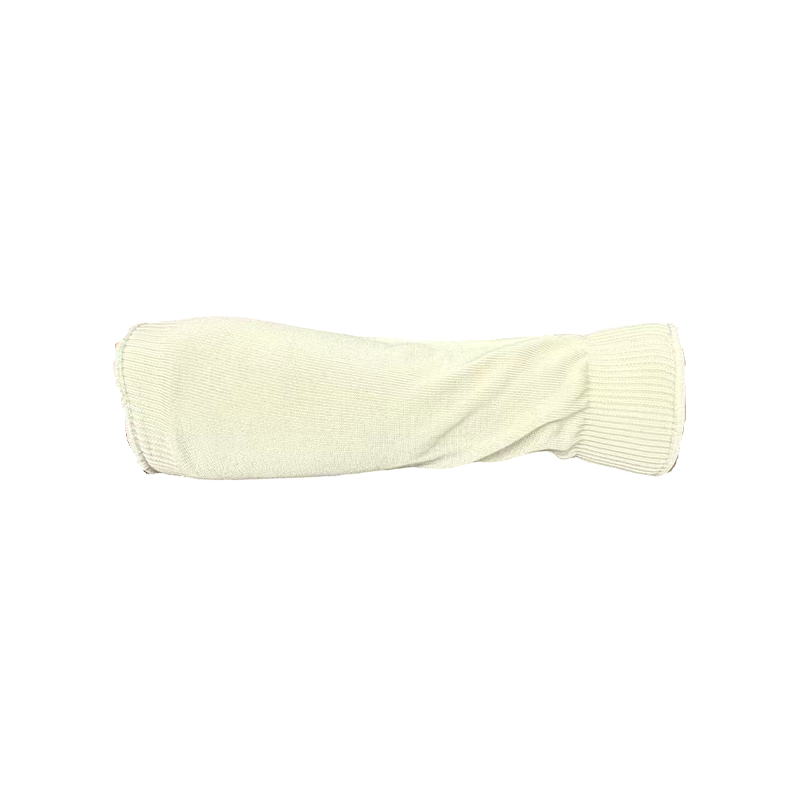
The categories below cover the seven core functional protection types used across industrial, cold chain and precision handling environments. Each product line is built around a dominant hazard rather than general-purpose use.
Functional Gloves vs Standard Work Gloves
The gap between functional gloves and standard work gloves is not marketing language, it shows up directly in wear life and injury exposure. Standard gloves are built for light handling and minor abrasion only, while functional gloves are engineered and tested against a named hazard.
| Comparison Point | Standard Work Gloves | Functional Gloves |
| Design Basis | General light handling | Built around one dominant hazard |
| Test Backing | Rarely tested to a named standard | Tested against ANSI, EN or equivalent methods |
| Coating Options | Cotton or basic PVC dot | Nitrile, PU, latex, frosted, sandy finishes matched to task |
| Best Fit | Light warehouse, packing, general cleanup | Cold storage, cutting lines, chemical handling, hot surface work |
Which Functional Gloves Fit Each Scenario
Matching the scenario to the glove type is the single fastest way to shortlist a product without going through every category on a catalog page.
| Work Scenario | Recommended Functional Type |
| Cold storage and winter outdoor work | Velvet or fleece-lined cold protection gloves |
| Metal stamping, glass handling, sharp edge work | High cut resistance gloves, nitrile smooth coated |
| Repetitive grinding, sanding, repeated surface contact | High abrasion protection gloves with frosted nitrile coating |
| Engine assembly, oily part handling | Oil-proof and non-slip PU coated gloves |
| Solvent and acid handling | Chemical resistance gloves, water-based PU or nitrile |
| Welding, foundry, hot surface contact | Flame-retardant heat protection gloves |
| Heavy lifting with drop or crush risk | Mechanical and anti-impact protection gloves |
Why Demand for Specialized Functional Gloves Keeps Rising
Three shifts are driving the move away from generic gloves and toward hazard-specific functional gloves.
First, cold chain and food logistics operations have expanded, which pushes demand for gloves that hold dexterity at sub-zero temperatures rather than stiffening up after twenty minutes. Second, precision manufacturing lines increasingly require thinner, finer-gauge gloves that still carry a verified cut or abrasion rating, since bulky gloves slow down assembly work. Third, buyers are asking for documented test reports more often than in the past, which has pushed manufacturers to publish certificates rather than rely on printed labels alone.
A functional glove program built around named hazards, verified gauge and coating, and traceable certification consistently outperforms a generic glove program on both wear life and reported hand injuries.
Final Selection Checklist
Before placing an order, confirm the following four points with the supplier.
- The dominant hazard on the job matches the glove category, not just the general industry name.
- The gauge and coating fit the level of dexterity actually required for the task.
- A test report or certificate exists for the specific protection level printed on the glove.
- The supplier can confirm consistent production quality across repeat orders, not just a single sample batch.
Jiangsu Shunhao Safety Protection Co., Ltd. manufactures functional gloves across all seven core categories, with production and quality control handled in-house, supporting buyers who need documented, hazard-matched hand protection at scale.