


 English
 日本語
日本語 русский
 Español
 Deutsch
Content
- 1 What Cut Resistant Gloves and Cut Proof Gloves Actually Mean
- 2 How to Choose Cut Protection Gloves for Your Workplace
- 3 Cut Protection Gloves Product Range
- 4 Cut Resistant Gloves vs Cut Proof Gloves Which Performs Better
- 5 What Are the Best Cut Protection Gloves for Food Processing Workers
- 6 Why ANSI Cut A5 Gloves Outperform A2 Gloves in Metal Handling
- 7 How Cut Protection Gloves Perform in Cold Storage and Warehouse Settings
- 8 Frequently Confirmed Buying Points
- 9 Which Cut Protection Gloves Fit Your Operation
Buyers who need real hand protection should pick cut resistant gloves rated to the correct ANSI or EN cut level for the actual hazard on their line, not the highest number on the label. A single glove marketed as cut proof gloves does not exist in an absolute sense, because every knit and coated glove is engineered to resist cutting force up to a tested threshold, not to eliminate risk completely. The rest of this report explains how that threshold is set, how cut resistant gloves and cut proof gloves compare across common industries, and which construction fits food processing, metal handling, and cold storage work.
What Cut Resistant Gloves and Cut Proof Gloves Actually Mean
The phrase cut proof gloves is a marketing shorthand. In laboratory terms, every pair of cut resistant gloves is measured against a blade under controlled pressure using ANSI/ISEA 105 or EN 388 test methods, and each pair receives a numeric or letter score based on how many grams of force the material withstands before failure. There is no glove immune to a sharp enough blade at high enough pressure, which is why manufacturers and safety officers use the term cut resistant gloves rather than cut proof in technical documentation, even when the retail listing still says cut proof gloves for search convenience.
Fiber choice drives the score. Aramid fibers, ultra-high molecular weight polyethylene, fiberglass core yarns, and stainless steel strands are blended into a knit shell, then often reinforced with a nitrile, latex, or polyurethane coating on the palm. The blend determines whether a glove lands at ANSI A2, a light duty rating, or climbs to A6 through A9, which covers glass handling, metal stamping, and razor blade production lines.
How to Choose Cut Protection Gloves for Your Workplace
Selecting the right pair starts with three questions: what is the sharp hazard, how long will the glove be worn per shift, and what secondary hazards exist alongside cutting risk, such as oil, cold, or impact. A machine shop handling sheet metal edges has a different profile than a butcher trimming primal cuts, even though both need cut resistant gloves.
Step by Step Selection Process
| Step | Action | Why It Matters |
| 1 | Identify the sharp edge type | Blades, glass, and metal burrs each cut differently and need different fiber density |
| 2 | Match the ANSI or EN cut level | Under protection leaves workers exposed, over protection reduces dexterity and speeds up fatigue |
| 3 | Check the coating type | Nitrile suits oily environments, latex suits general grip, PU suits fine assembly work |
| 4 | Confirm sizing and gauge | A 13 gauge knit balances protection and dexterity, an 18 gauge knit favors fine motor tasks |
| 5 | Review certification paperwork | Test reports from an accredited lab confirm the stated cut score is verified, not assumed |
Cut Protection Gloves Product Range
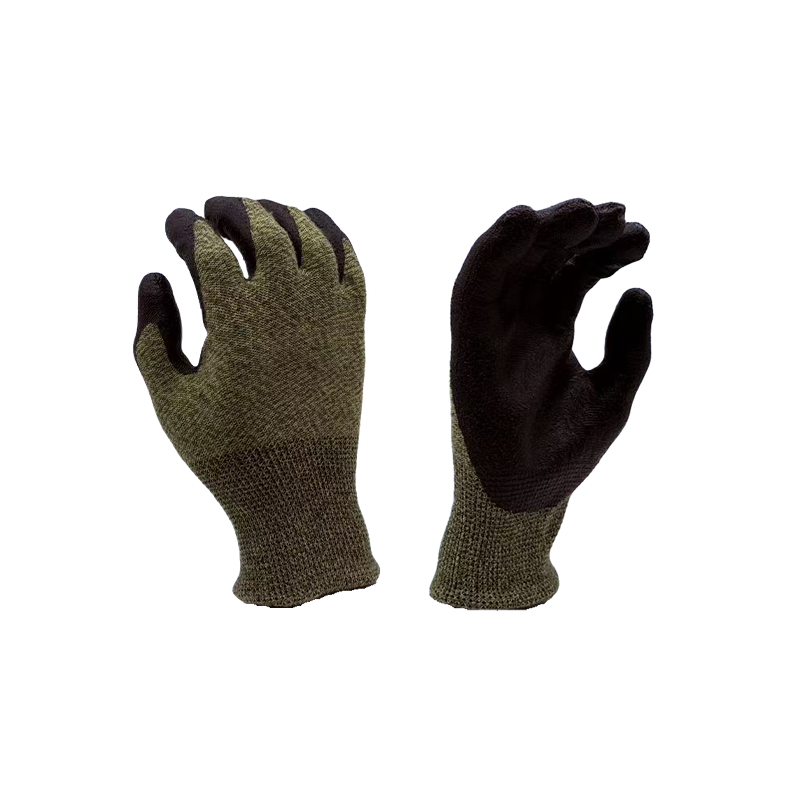
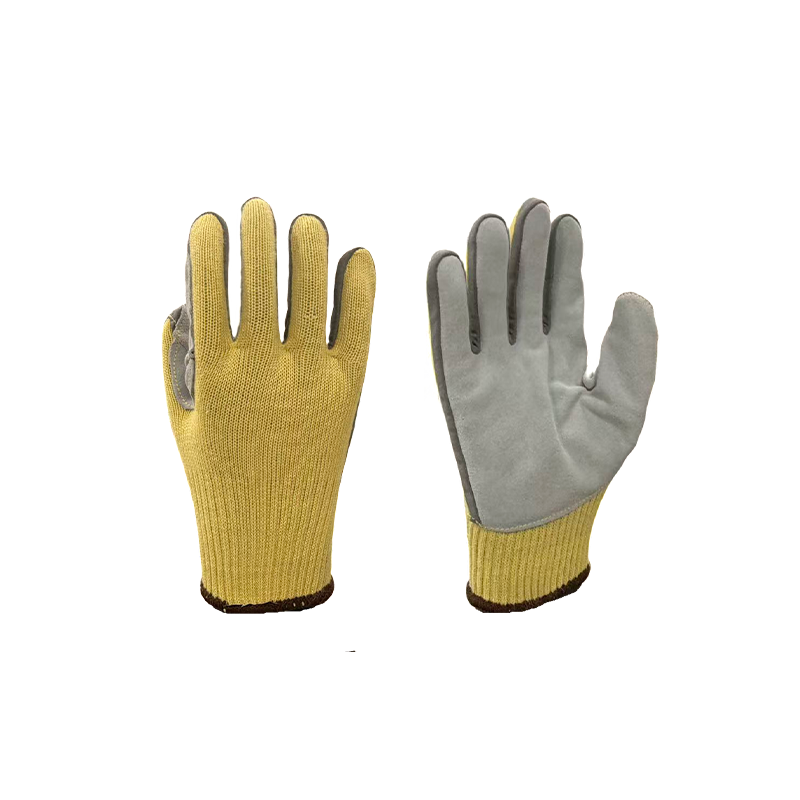
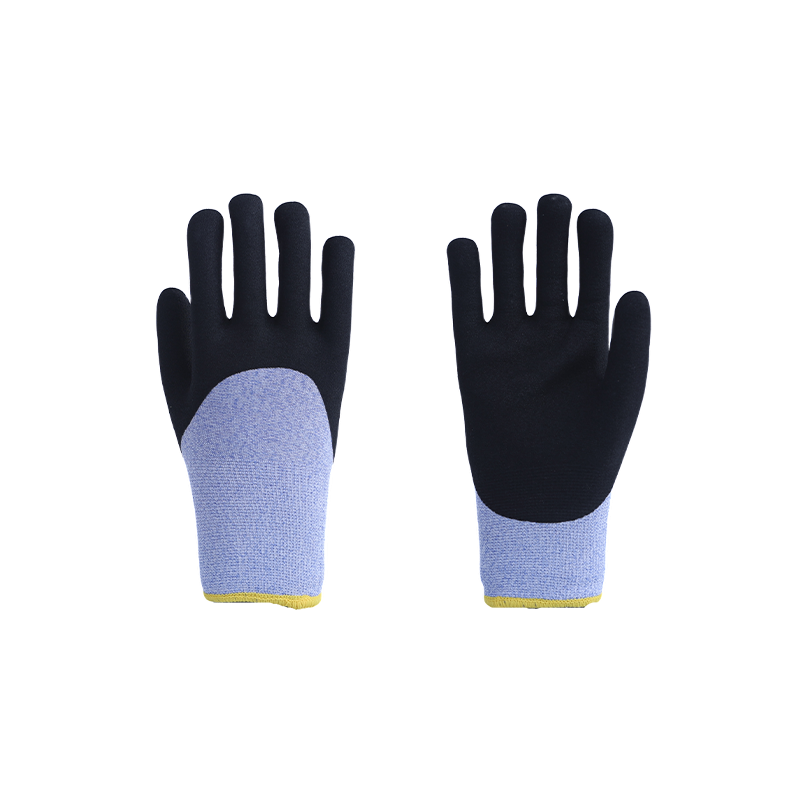
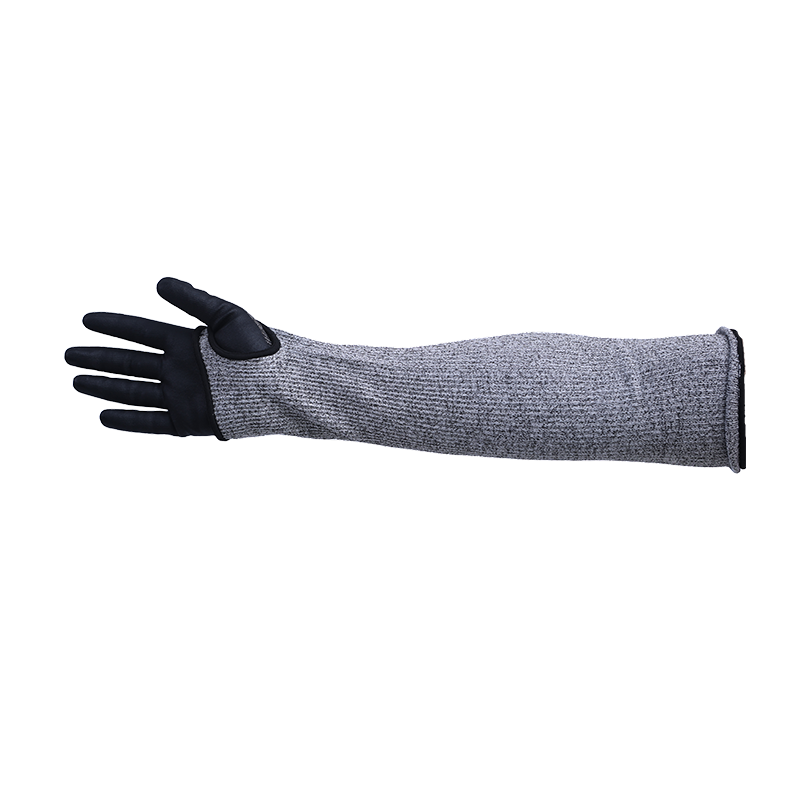
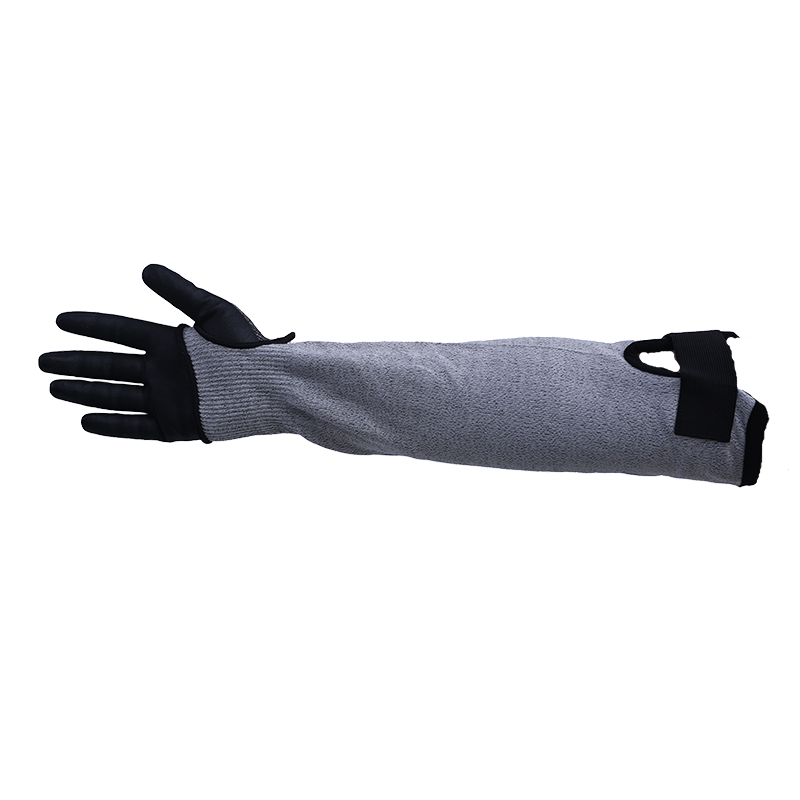
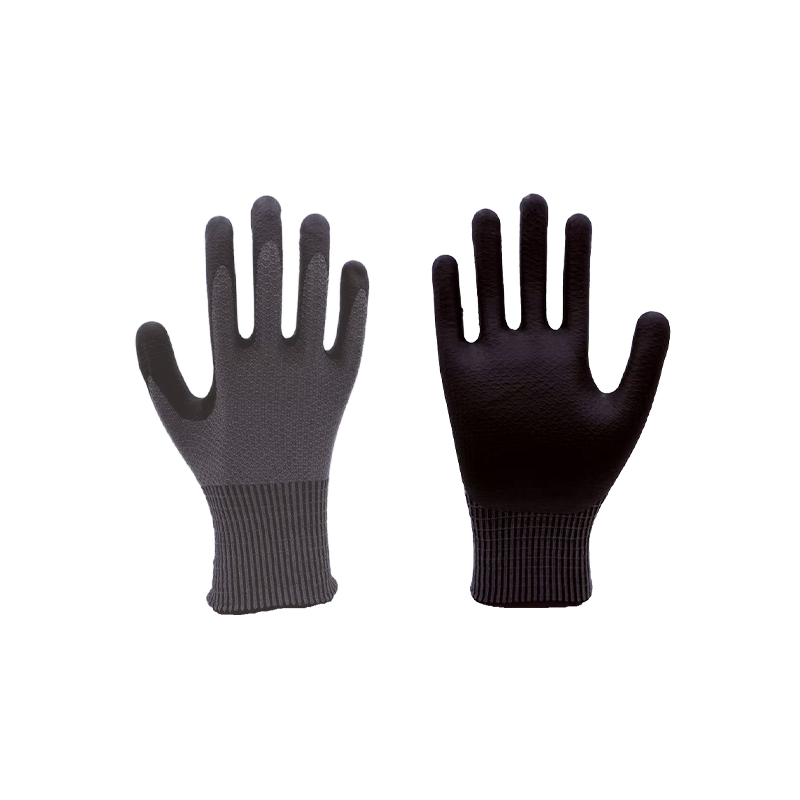
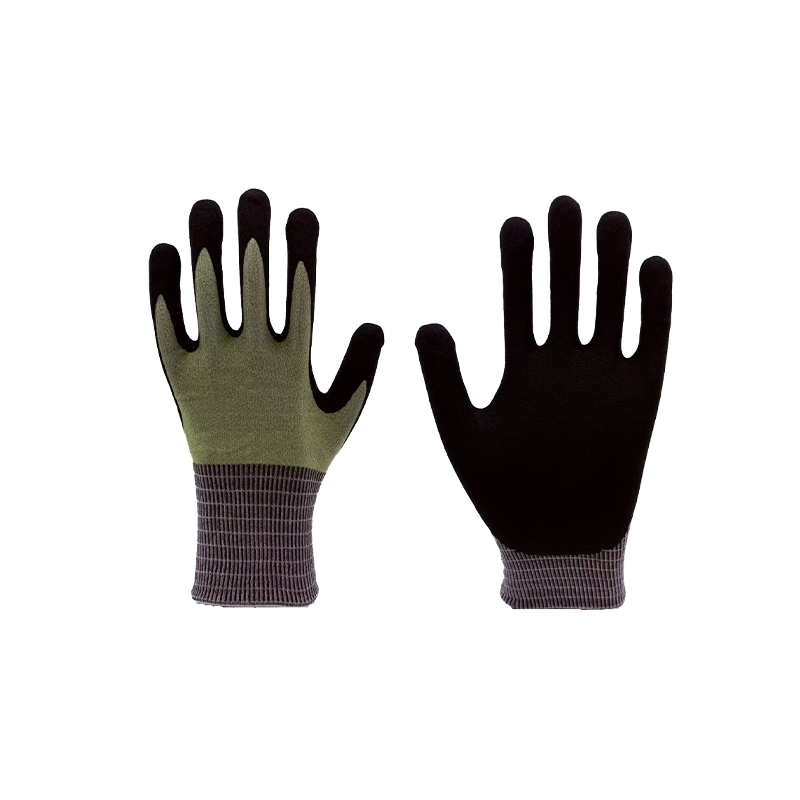
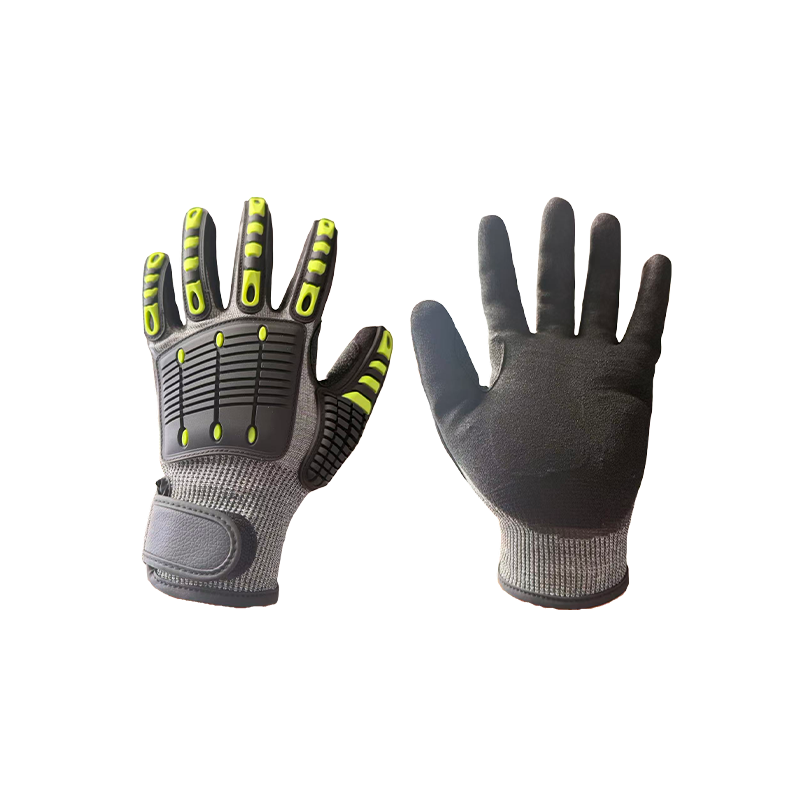
The gallery below highlights current cut resistant gloves and cut proof gloves models spanning ANSI A2 through A6 ratings, including neoprene coated, cowhide reinforced, winter lined, and steel wire sleeve options for arm protection.
Cut Resistant Gloves vs Cut Proof Gloves Which Performs Better
When buyers ask which is better, cut resistant gloves or cut proof gloves, the honest answer is that both terms describe the same underlying technology, but cut resistant is the accurate technical description while cut proof is the common search term. What actually varies between products is the ANSI cut score, the coating, and the fiber blend, not the marketing label.
| Feature | Aramid Neoprene A2 Style | High Performance A5 Style | TPR Shock A6 Style |
| Typical use | Light warehouse and assembly | Metal fabrication and glass handling | Heavy mechanical work with impact risk |
| Dexterity | High | Moderate | Lower due to added padding |
| Coating | Neoprene palm dip | Nitrile or PU palm coating | TPR back of hand plus palm coating |
| Best fit for | General handling, logistics | Sheet metal, glass, stamping lines | Machinery maintenance, construction |
What Are the Best Cut Protection Gloves for Food Processing Workers
Food processing plants combine cutting hazards with wash down requirements, so gloves need cut resistance plus a coating that tolerates moisture and repeated sanitizing. Aramid or high molecular weight polyethylene knits with a snug palm-fitting cowhide reinforcement, or lighter A2 to A3 rated gloves worn under disposable liners, are common on trimming and boning lines. Where blade contact is direct and repetitive, plants typically step up to A4 or A5 rated cut resistant gloves and pair them with a steel wire mesh cover for the highest risk stations, such as primal cutting or bone saw operation.
Why ANSI Cut A5 Gloves Outperform A2 Gloves in Metal Handling
Metal fabrication introduces sharp burrs, sheared edges, and stamped parts that generate more consistent slicing force than a typical warehouse hazard. An A2 rated glove, while comfortable and inexpensive, is built for occasional light contact, not repeated contact with freshly cut steel edges. A5 rated cut resistant gloves use a denser fiber blend, often combining aramid with fiberglass or steel core yarn, which raises the gram force threshold substantially and reduces the chance of a laceration during routine part handling, deburring, and sheet metal transport.
How Cut Protection Gloves Perform in Cold Storage and Warehouse Settings
Cold storage and freezer logistics add a second hazard layer, since stiff or frozen fingers reduce grip and increase the chance of slippage against sharp packaging edges or box strapping. Winter lined cut resistant gloves combine an A3 level knit shell with an insulated lining and a textured coating for grip in low temperatures. Warehouse teams handling strapped pallets, box cutters, and metal banding generally find A3 sufficient, while teams cutting shrink wrap or handling glass containers in cold rooms often move up to A4 for added margin.
Frequently Confirmed Buying Points
- Cut resistance and puncture resistance are tested separately, a high cut score does not guarantee puncture protection
- Coated palms improve grip but the coating itself adds little cut resistance compared with the underlying knit
- Sizing affects safety directly, an oversized glove can bunch and expose skin near the wrist and thumb
- Cut resistant gloves lose performance with wear and should be inspected regularly rather than used until visibly damaged
Which Cut Protection Gloves Fit Your Operation
The practical takeaway is straightforward. Cut resistant gloves and cut proof gloves refer to the same product category, so buyers should shop by ANSI or EN cut level, coating, and gauge rather than by label wording. Light logistics work fits A2 to A3, metal and glass handling fits A5 and above, and cold or wet environments call for insulated or coated variants layered on top of the correct base cut level. Matching the rating to the actual hazard, confirming test documentation, and reviewing fit remain the three checks that separate an effective glove program from an underprotected one.