


 English
 日本語
日本語 русский
 Español
 Deutsch
Content
- 1 What Is the Right Way to Choose Dipping Gloves for Industrial Use
- 2 Nitrile vs Latex Dipping Gloves: Which One Offers Better Protection
- 3 Why Are PU Dipping Gloves Becoming the Top Choice for Precision Work
- 4 Dipping Glove Product Range
- 5 How to Select Dipping Gloves for Cold Storage and Warehouse Environments
- 6 Which Dipping Gloves Are Best Suited for Automotive Assembly Lines
- 7 Bringing the Selection Together
Dipping gloves are hand protection products made by immersing a knitted liner or a former into liquid latex, nitrile or polyurethane. The short answer for most buyers is this: nitrile dipping gloves suit oily and mechanical environments, latex dipping gloves suit precision and general handling tasks, and PU dipping gloves suit light assembly and electronics work where touch sensitivity matters. The sections below explain why, and show how to match a dipping glove type to a real working scenario.
What Is the Right Way to Choose Dipping Gloves for Industrial Use
Choosing dipping gloves starts with three questions: what the hand touches, how long the glove is worn, and what level of grip is required. A glove coating that resists oil will not automatically resist abrasion, and a glove that feels comfortable for two hours may not perform the same after a full eight hour shift. Buyers who skip this step often end up reordering within weeks because the first batch wears through at the fingertips or cracks after contact with solvents.
Match the Coating to the Task
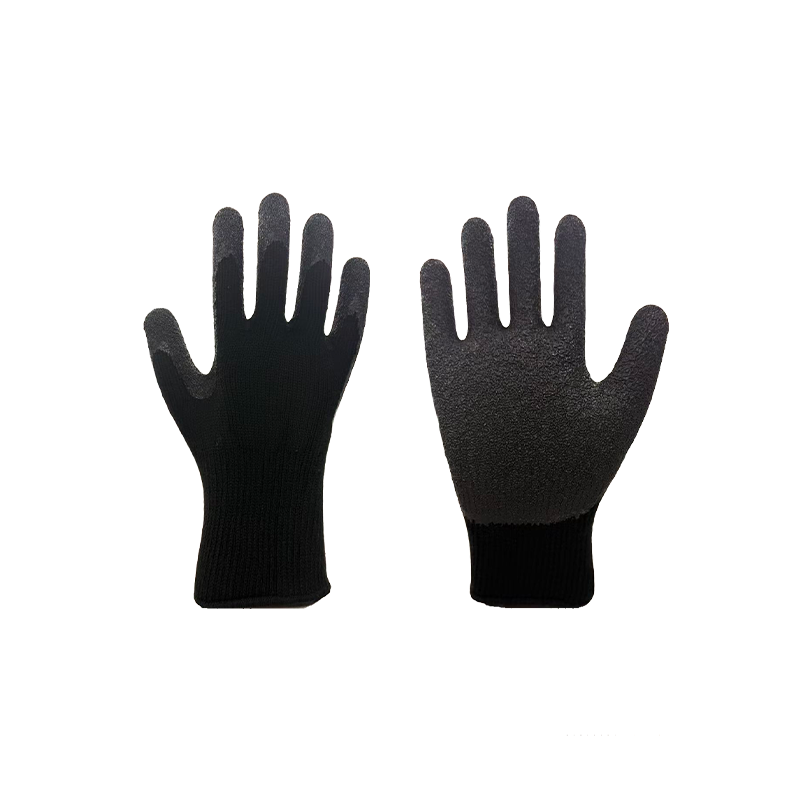
Nitrile coatings handle oil, grease and light chemical splash well, which is why they are common on production lines and in automotive workshops. Latex coatings offer a soft, close fit and strong wet grip, which makes them popular in agriculture, gardening and light construction. Polyurethane coatings are thinner and give the fingertips more feedback, so they are chosen for electronics assembly, small parts handling and quality inspection.
Check the Gauge and Liner
Gauge refers to how tightly the liner is knitted; a higher gauge, such as 15-gauge, gives a thinner and more breathable glove, while a lower gauge, such as 10-gauge, gives a heavier and more durable glove. Liners made from cotton, nylon, polyester or bamboo fiber each change the feel and the sweat absorption of the glove, which matters most for shifts longer than four hours.
Nitrile vs Latex Dipping Gloves: Which One Offers Better Protection
The direct comparison: nitrile dipping gloves generally win on oil resistance and abrasion resistance, while latex dipping gloves generally win on stretch, wet grip and overall comfort for lighter tasks. Neither is universally better; the right choice depends on whether the working surface is oily, dry or wet.
| Feature | Nitrile Dipping Gloves | Latex Dipping Gloves |
| Oil resistance | Strong | Moderate |
| Wet grip | Moderate | Strong |
| Abrasion resistance | Strong | Moderate |
| Stretch and fit | Moderate | Strong |
| Typical use | Automotive, machinery, warehouse | Agriculture, gardening, general handling |
For buyers who need one glove to cover several tasks, nitrile is usually the safer default because oil contact is common on most factory floors and abrasion resistance extends service life. Latex remains the better choice where flexibility and tactile grip matter more than oil exposure.
Why Are PU Dipping Gloves Becoming the Top Choice for Precision Work
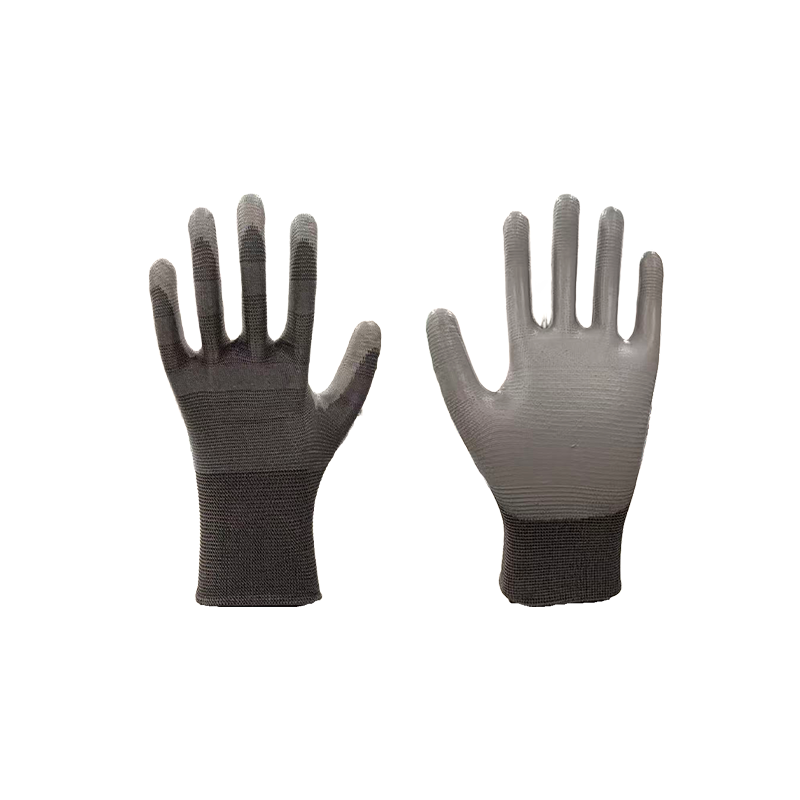
Polyurethane dipping gloves are gaining ground because they are thin enough to preserve fingertip sensitivity while still giving a durable, low-lint coating. This combination suits electronics assembly, small component inspection and any task where dropping or mishandling a part carries a real cost.
Where PU Coatings Perform Best
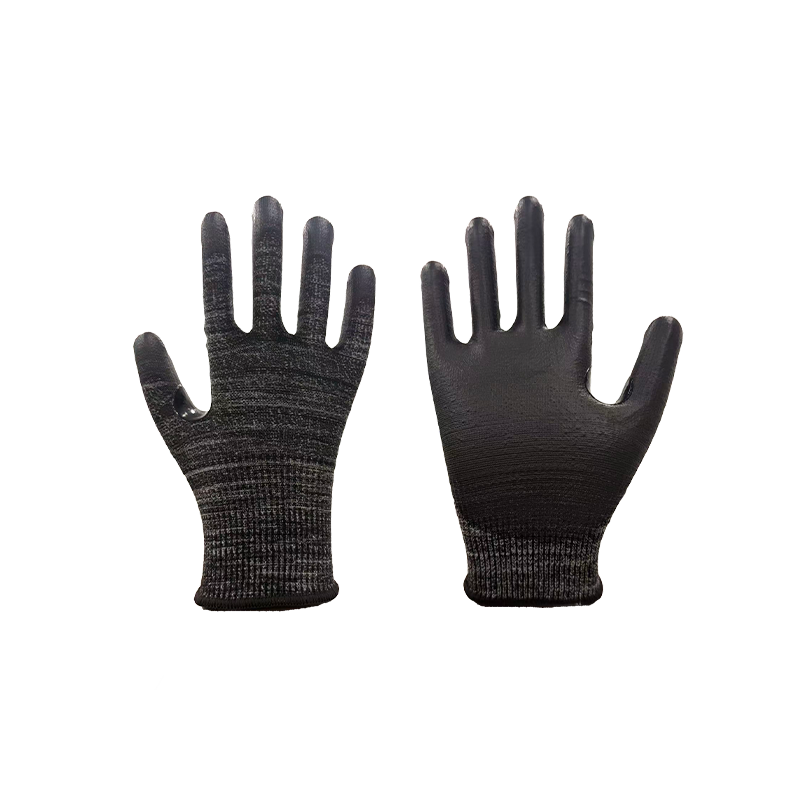
PU coated gloves are commonly paired with cut-resistant liners to add A2 to A5 level cut protection without adding bulk, which is why they appear often in metal stamping, glass handling and light mechanical assembly. Anti-static PU variants are also used in electronics workshops where static discharge could damage sensitive components.
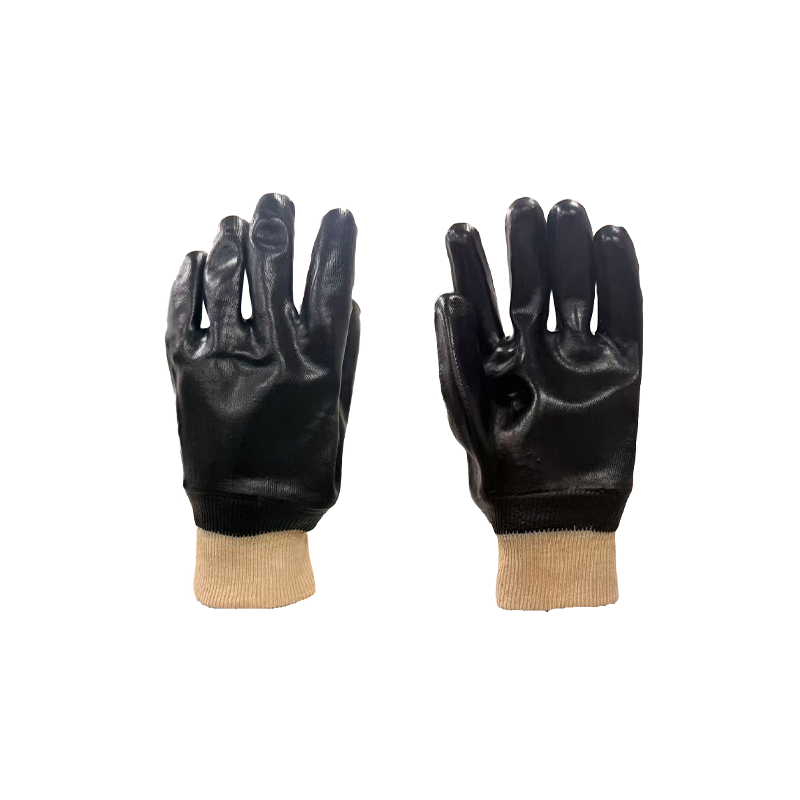
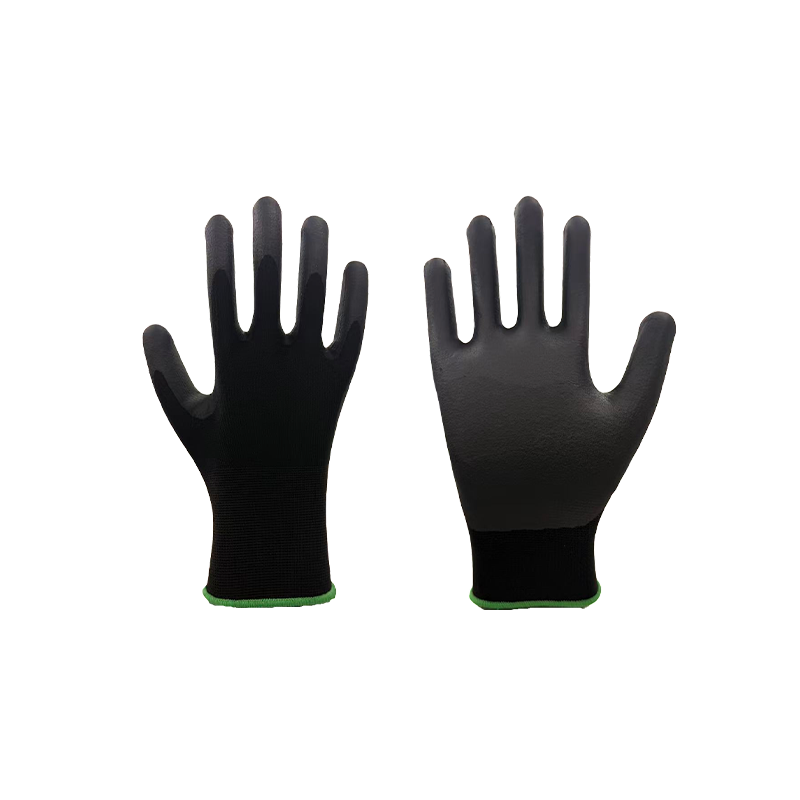
Dipping Glove Product Range
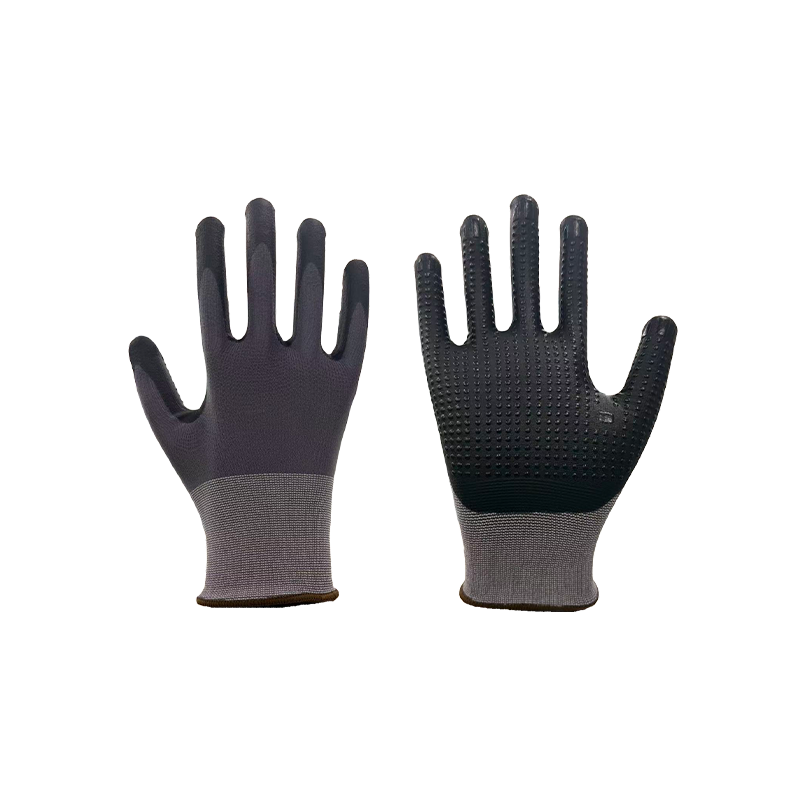
The selection below shows current dipping glove constructions available across nitrile, latex, PU and specialty liner categories, each suited to a different mix of grip, durability and tactile feel.
How to Select Dipping Gloves for Cold Storage and Warehouse Environments
Cold storage and general warehouse work bring two separate challenges: temperature and repeated carton handling. The direct recommendation is a double-dipped or foam-finish nitrile glove with a warm liner for cold rooms, and a firm-grip latex or nitrile glove for ambient-temperature picking and packing.
Cold Room Handling
Below freezing, coatings can stiffen and lose grip, so foam-finish nitrile coatings are preferred because the textured surface keeps working even as the material firms up in low temperatures. A brushed or terry liner underneath adds insulation without adding excessive bulk to the fingers.
Ambient Warehouse Picking
For dock work, carton handling and pallet wrapping at normal temperatures, a 13-gauge nitrile or latex palm-dipped glove balances grip and breathability well across a full shift, and tends to outlast lighter dress-weight gloves that were not designed for repeated box contact.
Which Dipping Gloves Are Best Suited for Automotive Assembly Lines
Automotive assembly involves a mix of oily components, sharp metal edges and small fasteners, which is why the direct answer here is a layered one: nitrile-coated gloves for engine bay and undercarriage work, and PU-coated cut-resistant gloves for trim, wiring harness and interior assembly.
| Assembly Station | Recommended Glove Type | Main Reason |
| Engine and undercarriage | Nitrile dipping gloves | Oil and grease exposure |
| Sheet metal and stamping | PU cut-resistant gloves | Sharp edge protection |
| Wiring harness and trim | Thin PU or anti-static PU gloves | Fine dexterity and static control |
| Final inspection and detailing | Latex dipping gloves | Soft grip without marking surfaces |
Plants that assign the right coating type to each station typically see fewer mid-shift glove changes and fewer rejected parts caused by handling marks, because the coating is matched to the actual surface contact rather than issued as one generic glove across the whole line.
Bringing the Selection Together
Across every scenario covered here, the pattern is consistent: match the coating to the surface being touched, match the gauge and liner to the shift length, and treat cut resistance as an add-on layer rather than a separate decision. Buyers evaluating a supplier for dipping gloves should ask for coating type, gauge, liner material and any cut-level rating together, since these four details determine performance far more reliably than the glove color or general description alone.
As a manufacturer producing nitrile, latex, PU and specialty dipping gloves under one roof, Jiangsu Shunhao Safety Protection Co., Ltd. supports buyers who need to compare coating types side by side before committing to a bulk order, and can adjust liner, gauge and coating thickness to match a specific station on the production floor.