


 English
 日本語
 русский
 Español
 Deutsch
Content
- 1 Yes, Latex Gloves Can Be Food Safe—If the Glove Is Made for Food Contact
- 2 What “Food Safe” Actually Means for Latex Gloves
- 3 Latex, Nitrile, and Vinyl for Food Handling
- 4 Allergy, Powder, and Cross-Contamination: The Risks Buyers Underestimate
- 5 Latex-Dipped Work Gloves Are a Different Product Category
- 6 How to Verify a Supplier Before You Buy
- 7 FAQ: Latex Gloves and Food Handling
A kitchen manager orders a case of latex gloves because they fit well and feel comfortable during prep. Then the auditor asks a simple question: “Where is the food-contact declaration?” That is the moment “food safe” stops being a feeling and becomes a document trail. Latex gloves can be food safe, but the material alone does not make them suitable for food handling. The finished glove, its manufacturing process, and the supplier’s evidence all matter.
Yes, Latex Gloves Can Be Food Safe—If the Glove Is Made for Food Contact
The short answer is yes, with conditions. Natural rubber latex is used in food-contact gloves, and many food-service operations have used latex gloves for years. But a latex glove is food safe only when the specific product is intended for food contact and meets the applicable food-contact rules. A glove sold for painting, cleaning, or industrial handling is not automatically acceptable for sandwich assembly or ready-to-eat food.
“Food safe” is not a single badge. It is a claim supported by formulation review, migration testing where required, hygienic production, and lot traceability. If the supplier cannot provide a food-contact statement for the exact style, lot, and market, treat the glove as unverified. That is the practical line between a comfortable glove and a compliant one.
What “Food Safe” Actually Means for Latex Gloves
Food-contact compliance comes first
In the United States, food-contact gloves should use substances permitted for food-contact use and be supported by the supplier’s FDA-related documentation. In the European Union, the relevant framework is the food-contact materials regulation, supported by a declaration of compliance and good manufacturing practice. These are not the same as medical-device standards. A medical exam glove is regulated for clinical use, not automatically for food contact.
Powder and protein are separate concerns
Powdered latex gloves can leave residue on food and may carry latex proteins into the air when donned. Many food-safety programs prefer powder-free gloves for this reason. Protein content also matters for allergy risk, but “low protein” does not equal “food safe,” and “food safe” does not equal “allergy free.”
Clean handling is part of the product’s performance
A compliant glove can still fail in use if staff wear it over a cut, touch a phone, or move from raw meat to salad without changing gloves. Food safety depends on hand hygiene before donning, correct sizing, changing gloves between tasks, and removing them without touching the food-contact surface.
Latex, Nitrile, and Vinyl for Food Handling
Material choice should follow the task, the allergy profile of the team, and the documentation the supplier can provide. The table below compares common disposable options; it does not replace a food-contact declaration for the exact glove.
| Material | Food-contact suitability | Key strengths | Main limits | Typical use |
|---|---|---|---|---|
| Latex | Suitable only when the specific glove is food-contact compliant | Good elasticity, fit, and grip | Latex protein allergy risk; powder can contaminate food | Prep tasks for staff without latex allergy, using powder-free food-grade gloves |
| Nitrile | Often a strong choice when the exact product is approved | Good puncture resistance and no natural rubber latex protein | Not automatically food safe; check accelerators and approval | Latex-sensitive teams, color-coded task systems, general prep |
| Vinyl | Can be food-contact compliant | Low cost and loose fit | Less durable and poorer fit for precise work | Short, low-risk tasks where fit and barrier are adequate |
Allergy, Powder, and Cross-Contamination: The Risks Buyers Underestimate
Latex allergy is the most visible issue. Natural rubber latex can trigger Type I reactions in sensitized people, ranging from hives to breathing difficulty. Accelerators used in many gloves can also cause Type IV contact dermatitis. For a food business, that is not only a health issue; it affects staffing, productivity, and the duty to provide a safe workplace.
Powdered gloves add a second problem. Powder improves donning, but it can leave particles on hands, utensils, and food. It can also carry latex proteins. If a supplier still offers powdered latex, ask why and whether a powder-free alternative is available. In most food operations, powder-free is the more defensible choice.
Cross-contamination is the third risk. A glove is not a substitute for handwashing, and it is not a permanent shield. Change gloves when switching from raw to ready-to-eat food, after touching waste, after cleaning, and when torn. Blue or dark-colored gloves can help staff spot tears, but color is no substitute for training.
Latex-Dipped Work Gloves Are a Different Product Category
Many “latex gloves” sold for industry are not disposable food-service gloves. They are work gloves with a latex coating or a fully latex-dipped shell, built for abrasion resistance, wet grip, or oil handling. They can be excellent for those jobs, but they should not be used for food contact unless the exact style carries a food-contact declaration.
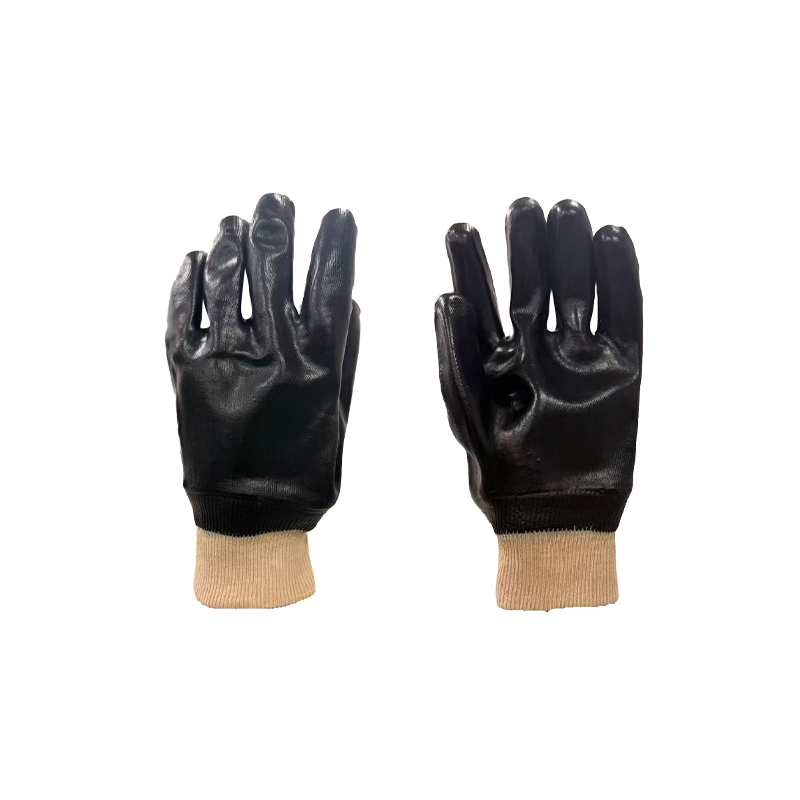 Latex Dipping Gloves for Industrial HandlingCompare latex-dipped work gloves for general industrial handling, including a 10-gauge acrylic style with knit liner and latex dip for grip; confirm food-contact documentation separately.View Product →
For general industrial handling, our latex dipping range is a useful starting point for comparing coatings and liners. A specific example is a 10-gauge acrylic latex-dipped glove, which uses a knit liner for comfort and a latex dip for grip. If your task is food contact, ask for the food-contact version and supporting documentation rather than assuming that a latex-dipped work glove is acceptable.
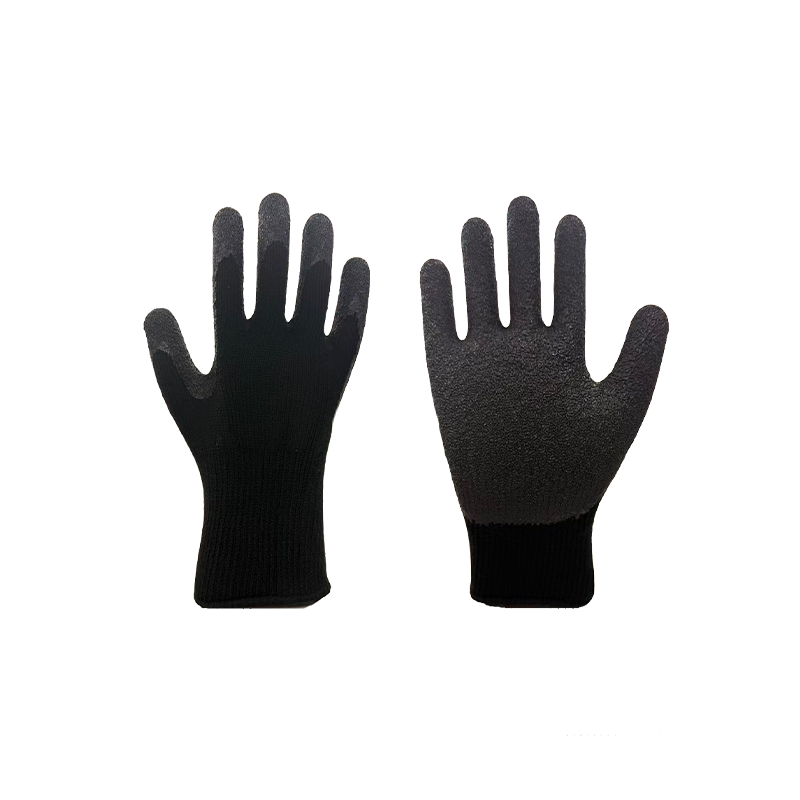 10-Gauge Acrylic Latex-Dipped Work GlovesSee this 10-gauge acrylic glove in the latex dipping range; a knit liner supports comfort and the latex dip provides grip. Confirm food-contact documentation separately.View Product →
For a wider comparison of dipping materials used in industrial gloves, this industrial dipping glove guide explains how nitrile, latex, and PU coatings differ. Use it for work-glove selection, not as a substitute for food-contact approval.
How to Verify a Supplier Before You Buy
Ask for evidence before the first shipment, not after the audit. A supplier who understands food-contact work will answer specific questions without vague reassurance.
- Request a food-contact declaration for the exact glove style, color, and size range. Check that the declaration names the market you sell into.
- Ask about formulation and migration testing. For repeated-use or high-contact applications, confirm whether the test conditions match your actual use.
- Confirm powder status and protein information if latex is used. Ask whether a powder-free version is available.
- Review manufacturing hygiene, packaging, and lot traceability. Can the supplier link a carton to a production lot and a declaration?
- Check change-control procedures. If the liner, coating, or accelerator package changes, will you be notified?
If the answer is unclear, do not rely on a generic “food grade” label. For our product range and documentation, contact our team with the exact application, market, and glove style so the food-contact status can be confirmed in writing.
FAQ: Latex Gloves and Food Handling
Are all latex gloves food safe?
No. A latex glove is food safe only when the specific product is manufactured for food contact and supported by the required documentation. Industrial latex-dipped gloves should not be treated as food-contact gloves by default.
Is powdered latex ever acceptable for food?
Powdered latex is difficult to defend in food handling because powder can contaminate food and may carry latex proteins. Powder-free gloves are usually the better choice, provided the exact product has food-contact approval.
Can I use medical exam gloves for food prep?
Not automatically. Medical gloves are regulated as medical devices. Food-contact suitability depends on food-contact compliance and the supplier’s declaration, not on the medical label.
What about latex allergy?
Food safety and allergy safety are different questions. If anyone in the team is latex-sensitive, choose a nitrile or other latex-free option and manage the change through your health and safety process.
Latex gloves can be food safe, but the claim belongs to a documented product, not to the material name. Check the exact style, ask for food-contact evidence, avoid powdered latex where possible, and train staff to change gloves at the right moments. That combination protects food, hands, and the audit trail.